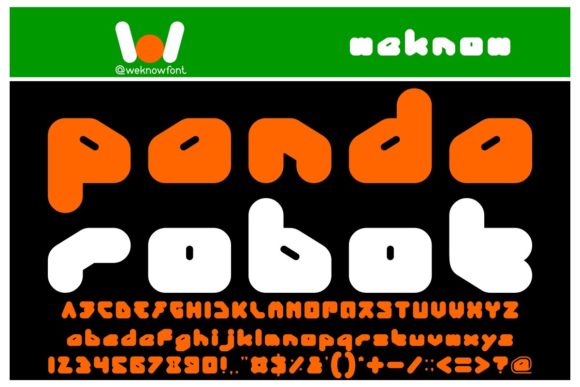
Panda Robot: A Techno Display Font for Makers
The afternoon light was just right as I sat down to finalize the label designs for my new line of scented soy candles. I had the wax poured, the jars cleaned, and the scent notes written out on a sticky note, but something felt missing. The labels looked too soft, too traditional. My brand identity was shifting toward something more modern, slightly edgy, yet still approachable. I needed a typeface that could carry the weight of a logo while feeling playful enough for a handmade shop. That is when I opened my font library and found Panda Robot.
At first glance, Panda Robot is striking. It is a thick lettered, techno-styled display font that immediately grabs attention without screaming for it. As I dragged the file into my design software, I watched the letters snap into place with a confident, blocky rhythm. This is not a delicate script or a classic serif; it is a bold statement piece. For a crafter looking to elevate their product presentation, finding a premium font like this can be the difference between a homemade item and a professional brand.
Bringing the Tech Style to Handmade Labels
I decided to test Panda Robot on a small batch of candle labels first. The goal was to create a "future-retro" vibe, blending the organic nature of soy wax with a digital, cyber-inspired aesthetic. I typed the word "GLOW" in all caps using the main weight of the font. The result was instant. The thick strokes gave the text a substantial feel, making it pop against the matte black background of the label paper.
What makes Panda Robot so effective for product labeling is its clarity. Even at smaller sizes, the characters remain distinct. When designing for physical products, readability is paramount. If a customer picks up a jar from a shelf at a craft fair, they need to read the name instantly. The techno style of this display font adds a layer of perceived quality. It suggests precision and care, qualities that handmade buyers look for. It transforms a simple sticker into a branded asset.
Designing Stickers and Digital Downloads
Once the candle labels were set, I moved on to creating a sheet of decorative stickers. These are often sold as add-ons or used as thank-you gifts for customers. I wanted to see how Panda Robot handled short phrases and single words in a fun context. I created a series of stickers featuring words like "CREATE," "BUILD," and "DREAM."
Because Panda Robot is a display font, it shines best when used for headlines, titles, or short bursts of text. It is not intended for long paragraphs. Trying to write a full paragraph in this typeface would overwhelm the reader and ruin the visual impact. Instead, I used it for the main title of the sticker sheet and paired it with a clean sans serif font for any descriptive text below. This combination allowed the unique personality of the Panda Robot to take center stage while ensuring the practical information remained legible.
For digital download creators, this versatility is key. Whether you are selling printable wall art, planner pages, or SVG cut files for Cricut and Silhouette users, having a robust display font in your toolkit expands your creative possibilities. The thick lines of Panda Robot cut cleanly on vinyl and hold up well when printed on glossy cardstock. There is no bleeding or fuzzy edges, which is crucial for maintaining a high-quality finish on digital printables.
Building a Cohesive Brand Identity
A consistent brand identity is what turns a one-time buyer into a loyal customer. When I started incorporating Panda Robot across different touchpoints—from my packaging tape to my social media graphics—I noticed a shift in how my shop was perceived. The font became a visual anchor. Customers began to recognize the style before they even read the shop name.
Incorporating a techno-styled font like Panda Robot into corporate identity or boutique branding works surprisingly well, even for non-tech industries. It adds a modern twist to traditional crafts. Imagine a wedding invitation suite where the couple's names are featured in this bold typeface, balanced by a delicate handwritten font for the details. Or consider a music band merchandise line where t-shirts and tote bags feature album titles in this heavy, impactful style. The font adapts to the mood you want to set, whether it is energetic, mysterious, or simply cool.
Pairing Fonts for Maximum Impact
One of the most important skills for any designer or maker is font pairing. Panda Robot is strong and dominant, so it needs a partner that lets it breathe. In my recent project, I paired it with a minimal sans serif font for body copy. The contrast between the thick, geometric shapes of the display font and the thin, neutral lines of the sans serif created a dynamic balance.
If you are working on a project that requires a softer touch, such as baby shower invitations or greeting cards, try pairing Panda Robot with a flowing script font. The juxtaposition of the hard, techno edges against the soft curves of a handwritten style creates an engaging visual tension. Just remember to keep the usage of the display font limited to headlines or key phrases. Let the supporting fonts handle the storytelling.
Practical Tips for Cutting and Printing
When moving from screen to physical product, there are a few technical considerations to keep in mind. Since Panda Robot features thick lettering, it is generally very forgiving for cutting machines. However, if you are creating tiny stickers or intricate tags, ensure that the kerning (the space between letters) is adjusted correctly. Sometimes, bold fonts can appear crowded if the spacing is too tight.
For printing on merchandise like mugs or shirts, the opacity of the ink matters. Because the font has large surface areas, it will use more ink than a thin font. Always do a test print on the actual material you plan to use. Check for any issues with drying time or color saturation. Additionally, verify the file formats included in your download. Most commercial font packages come in standard formats like OTF and TTF, which work seamlessly with major design software.
Licensing and Commercial Use
Before launching a new product line or selling digital templates, always review the licensing agreement. As a maker, you need to know if the font allows for commercial use. Panda Robot is designed to be a commercial font, meaning you can use it on items you sell, such as apparel, packaging, and printables. However, specific licenses may vary regarding web fonts, app icons, or unlimited distribution of digital files. Always check the documentation provided with the font to ensure you are compliant.
Furthermore, check for multilingual support if your customer base is international. Many display fonts include extended character sets that allow for accents and special symbols. This ensures your brand remains inclusive and accessible to a wider audience.
As I finished my last label and applied it to the candle jar, the transformation was complete. The simple glass container now looked like a curated product from a high-end boutique. The Panda Robot font had done more than just add text; it added attitude, style, and a sense of intentionality. For makers, sellers, and designers, having access to unique, high-quality display fonts is essential. It empowers you to tell your story visually and connect with your audience on a deeper level.
Whether you are crafting seasonal holiday tags, designing a new logo for your Etsy shop, or creating the next big thing in printable wall art, don't underestimate the power of typography. Choose a font that reflects your vision, pair it wisely, and watch your creations come to life with confidence and flair.